Announcing International Keynote Speaker: Dr Williana Basuki
)
The countdown to the London Vet Show 2025 is on, and the first big reveal is here - veterinary dentistry specialist Dr Williana Basuki is taking the RVC stage as this year’s international keynote speaker! With a career dedicated to advancing feline and canine dental care, Dr Basuki will deliver a series of cutting-edge lectures.
From feline stomatitis to dentigerous cysts, Dr Basuki will be tackling some of the biggest clinical challenges vets face, offering fresh insights, practical takeaways, and myth-busting revelations. Think full-mouth extractions always cure stomatitis? Not so fast. Ever dismissed a missing tooth? You might want to rethink that!
In this interview, we caught up with Dr Basuki to get a sneak peek of the must-attend sessions.
Q: Let’s start with a big one - feline stomatitis! You’re tackling the question on every vet’s mind: do all the teeth really have to go? Without giving too much away, can you tease one surprising insight attendees will take away from your session?
When selecting topics for the London Vet Show, we chose feline stomatitis as one of our dentistry lectures because we believe it is highly relevant and practical for our general practice colleagues. Our goal for this lecture is to share the most updated practical knowledge on both treatment options and diagnostic workups as there have been a lot of misconception and hearsay surrounding feline stomatitis.
One common misconception is that full-mouth extractions guarantee 100% clinical resolution in all cases, which is unfortunately not accurate. A small percentage of affected patients show no improvement, which means the way we approach this condition needs to change.
Q: In your session on teamwork during dental exams and treatment planning, you’ll be discussing how vets and nurses can improve their conscious oral exam skills. What are some common pitfalls in dental assessments, and how can teams refine their approach to ensure more accurate diagnoses and better patient outcomes?
The lecture “Maximising the Benefits of Oral Exam: Team Approach” may sound very simple; after all, conscious oral exam is a routine part of daily practice. But what crucial details are being missed? Unfortunately, quite a lot!
Many of vets and vet nurses are so caught up with “dental grading system” during the conscious oral exam which equates to the calculus buildup grading system. However, this is not the same as the periodontal disease staging system. For example, a grade 3 dental calculus does not necessarily mean multiple extractions, and a grade 1 does not mean extractions won’t be needed.
So how can we “sus it out”? What clues can be found during our conscious oral exam to provide the most accurate diagnosis, estimate for clients’ affordability, and surgery time prediction for our own scheduling purposes, and most importantly, being able to convince the clients to book for that dental procedure to help our patients (and detecting early dental pathology for prevention)?
The lecture will explore these questions, and I believe that the presentation will be very appropriate for vets and vet nurses who are keen in improving their conscious oral exam skill and be a better “detective” during their exam!
Q: "Don’t skip those missing teeth!" Your talk on dentigerous cysts highlights why these often-overlooked cases matter. What’s the most surprising case you’ve encountered that really drove this lesson home?
This will be one of my most unique and exciting lectures – and hopefully, the excitement is infectious for London Vet Show attendees! The presentation will briefly cover tooth embryogenic development to help explain the origin of dentigerous cysts, a type of odontogenic cyst, and how they form in association with unerupted teeth.
I was once referred a dentigerous cyst case by a primary vet who incidentally found a fluid-filled structure on the lower jaw in a middle-aged Boxer during a routine COHAT. The cyst was confirmed to be a dentigerous cyst that was associated with an unerupted right mandibular first premolar; however, I found a second dentigerous cyst associated with the unerupted right maxillary first premolar during the CT scan. The cyst on the upper jaw led to a significant oronasal fistula due to the large bone defect and it needed a surgical repair while the lower counterpart required us to place an extensive bone grafting to help with bone regeneration.
In essence, this case underscores the importance of never overlooking a missing tooth - dentigerous cysts can lead to pathological fractures, non-vital teeth, and painful oral cavity. I can promise that after attending this lecture, no one will ever ignore a missing tooth again. And, for those looking to sharpen their diagnostic skills further, attending the lecture on maximising the benefits of oral exams will be just as crucial.
Q: You’re covering everything from nerve blocks to extractions - essential skills for vets looking to up their dentistry game. What excites you most about teaching these topics at the London Vet Show, and what do you hope attendees take back to their clinics?
I am very looking forward to sharing the tips and tricks along with the practical knowledge and communication skills that I have learnt or experienced along the way as a Board-Certified Veterinary Dentist. I hope everyone can implement the topics immediately in their clinical work and help their clients and patients in the future. I am also hopeful that I can connect with a lot of the attendees and exhibitors to exchange ideas and knowledge in dentistry and other veterinary aspects. Please do not hesitate to say hi or ask questions when you see me on the exhibition floor, I look forward to seeing everyone!
Q: You’ve built an incredible career in veterinary dentistry. What’s one piece of advice you’d give to young vets looking to make an impact?
I started as a small animal general practicioner when I first graduated, and I spent a couple of years doing rotating and surgery internships before completing my residency training and working as a specialist. All those years as a clinician made me realise that no matter where you are or who you are - whether you're a vet student, a general practitioner, an intern/resident, or a specialist - the most important skill we need is communication.
Conveying our vast knowledge and condensing it into concise and accurate information to deliver it to your (often worried) clients is not always easy, but it’s very important. To me, effective and transparent communication is the best way to manage client expectations and build strong clinician-client-patient relationships throughout the journey at our clinics.
I also believe that when you communicate effectively and show genuine empathy, clients will trust you, and that trust allows you to focus on what really matters: fixing their pets!
View Dr. Basuki's sessions and get a sneak peek of the London Vet Show's 2025 conference programme here!
ENDS
Notes to editors
More information on any of CloserStill Media’s Vet Shows can be requested from Jasmin Mathans Senior Marketing Manager, j.mathans@closerstillmedia.com
About London Vet Show
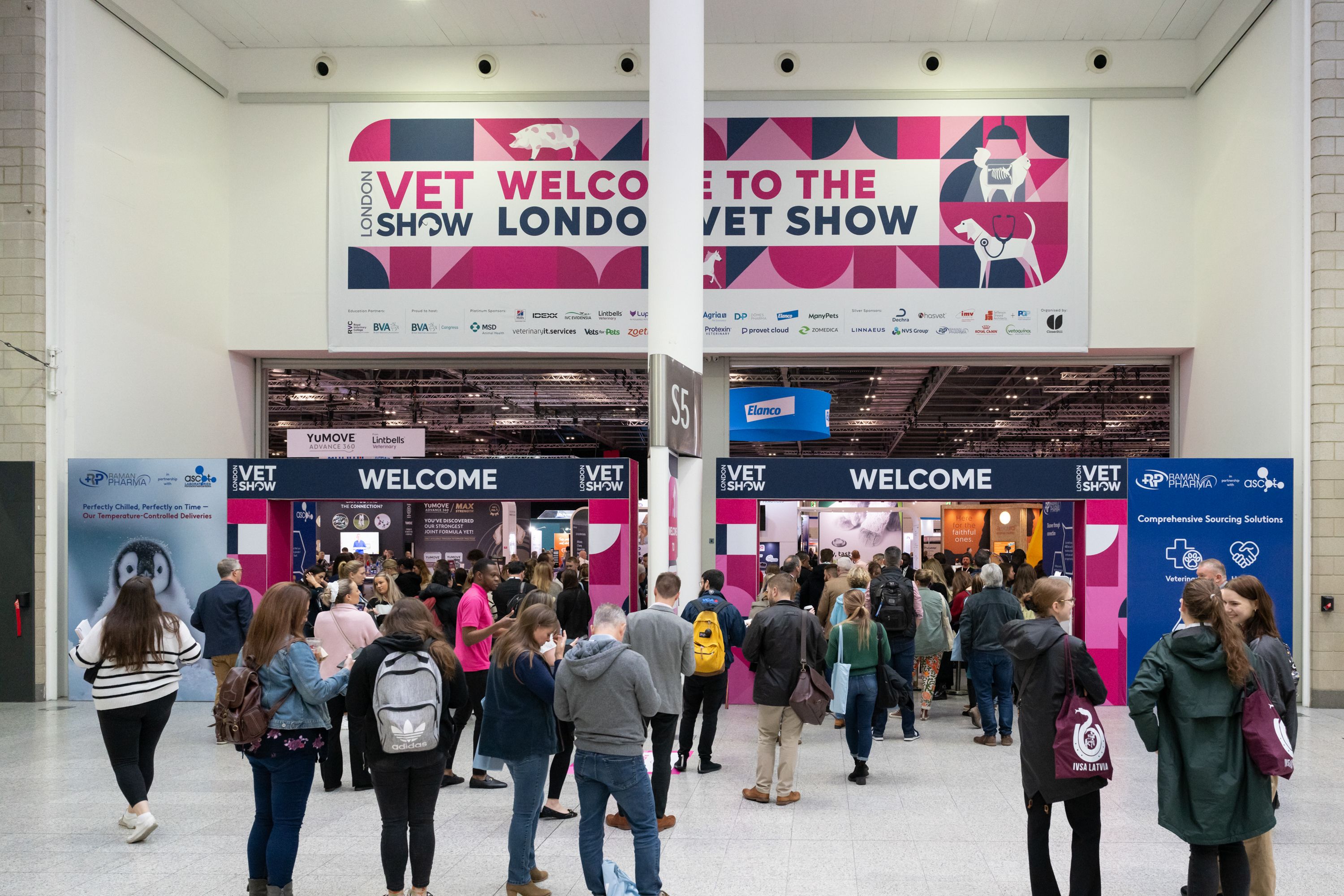
The London Vet Show is a leading veterinary event that brings together professionals from around the world to share knowledge, network, and discover the latest advancements in veterinary medicine and technology. The show offers a comprehensive program of educational sessions, workshops, and an exhibition featuring the latest products and services in the veterinary industry.
About CloserStill Media
CloserStill Media specialises in high-value, content-driven events and the nurturing of B2B or professional communities. The company operates events across a wide range of sub-vertical sectors within Business Technologies, Healthcare and Future Transport and Infrastructure across the U.S., Europe and Asia, with operations and 800 staff in the U.K., USA, Germany, Spain and Singapore.
)
)
)
)
)
)
)
)
)
)
)
)
)
)
)
)
)
)