

Balancing veterinary careers and parenthood: structural barriers and practical remedies
)
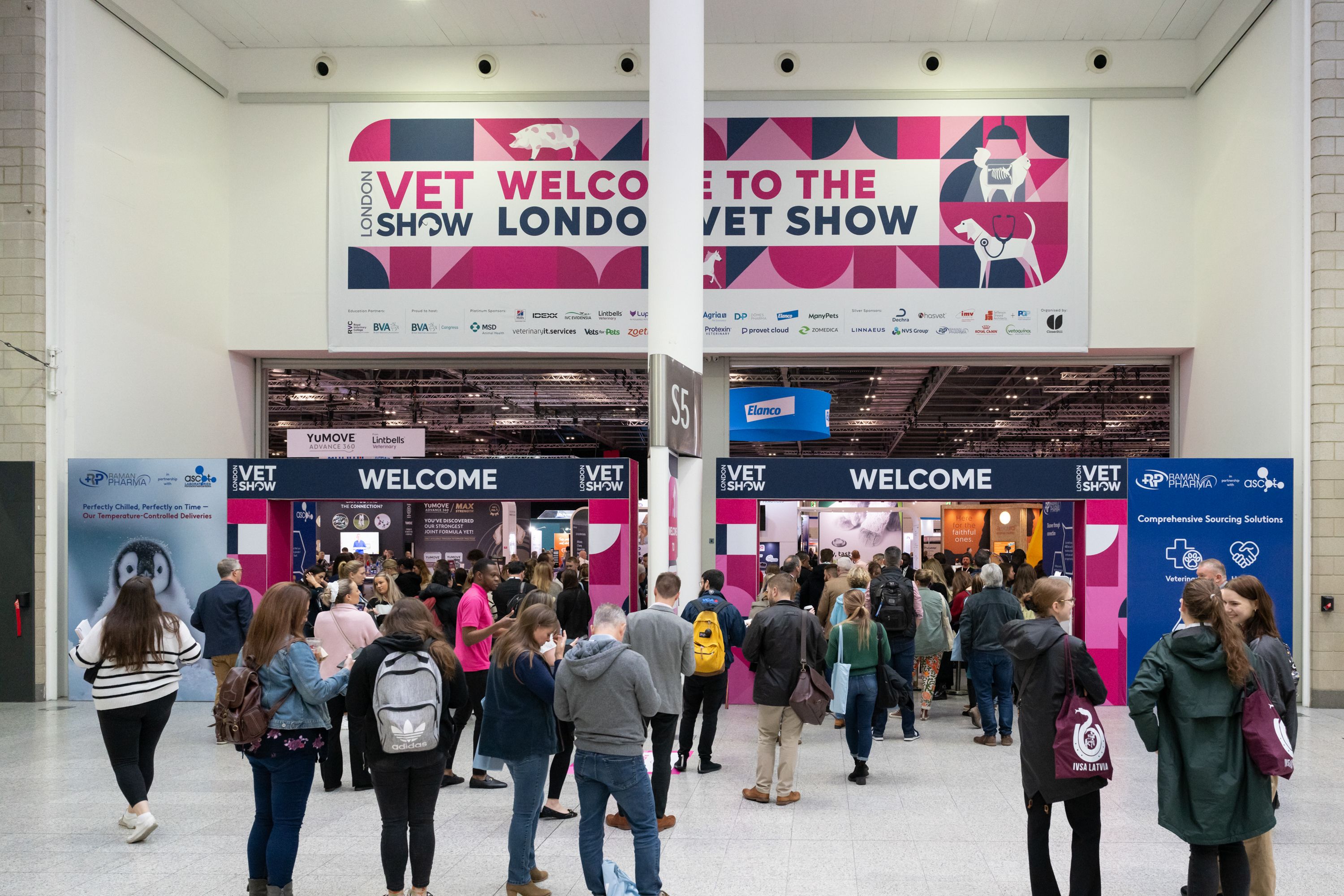
London Vet Show welcomes the Vet Mums community to host a mastermind session during the conference. Each year, the admins and members suggest and vote on topics of relevance to veterinary team members balancing a career with parenthood. In 2024, the discussion centred around barriers to career progression. The following write up contains insights from the session with additional research and information to inform how we can best support thriving careers for veterinary parents and those with caring responsibilities aside from parenthood.
Parenting and caring in veterinary practice and the wider industry presents significant challenges. The impact is typically greater for mothers, owing to the interplay of professional demands, mental load, economic pressures and variable family, community and institutional support. With females now constituting over 60% of the veterinary profession and over 95% of the veterinary nursing profession, these issues are increasingly central to workforce sustainability and leadership pipelines.
A primary challenge for veterinary parents is integrating work and home lives without feeling they are short-changing either sphere. Attendees at the mastermind session described a persistent ‘double guilt’ - guilt at work for not being with their children and guilt at home for stepping back from practice life, patients, clients and colleagues. A survey of vets in the US reported that 87% felt work interfered with their parenting role, while 75% said parenting interfered with their veterinary duties[1]. Wider reviews of veterinary wellbeing confirm that work–family conflict is a potent driver of stress, poor health and burnout across clinical settings[2].
Identity tension compounds this. The veterinary role is often deeply vocational, selecting for highly motivated, high intellect individuals, often with perfectionist tendencies. When the professional identity meets the often monotonous tasks of parenting - where simply getting dressed and providing nutrition can be a significant daily achievement - there can be a sense of dissonance. This can be compounded by fatigue due to the unpredictability of infant sleep, and the mental load of home and child admin, school timetables, illness and emotional support. Morale and self-efficacy suffer; studies link on-call burdens and irregular hours to lower job satisfaction and strain on personal relationships — impacts that are felt acutely by parents[3].
Demanding work environment and lack of flexibilityThe nature of veterinary work itself creates structural barriers, especially for those needing predictable schedules. On-call rotas, unpredictable caseloads and the expectation of ‘staying until it’s done’ clash with nursery closing times and the realities of school pick-ups. Many parents reported that a long day can end without seeing their child at all — an outcome felt to be ‘equally awful’ as leaving the team working on cases. Research underscores the point; schedule control and flexibility consistently rank among the strongest determinants of job satisfaction and retention, and willingness to trade pay for flexibility is common. This doesn’t just apply to parents, as revealed by a 2024 study published in JAVMA that found final-year veterinary students placed measurable monetary value on flexible arrangements, indicating some would accept lower pay for better control of time[4].
For equine and mixed practice — where out-of-hours work is typically embedded — the challenge is sharper. Without rota redesign (for example, pooled out-of-hours or protected windows without on-call duties after return from leave), experienced clinicians find themselves caught between a rock and a hard place, unable to meet the demands of the workplace or the nursery/school timetable. Evidence linking on-call duties to deteriorations in wellbeing and relationships reinforces the case for change[5].
Economic and institutional hurdlesFinancial strain was a recurring thread, both at the session and in the literature. Veterinary graduates frequently carry substantial student debt, with UK graduates facing rising balances in addition to greater cost-of-living pressures. Layer on the high cost of childcare and the sums often don’t add up, particularly for part-time paid workers juggling the burden of unpaid caring, household chores and admin roles. Crucially, this impact is cumulative and compounded through reduced lifetime salary, pension and interest earnings all of which reduce both current and future financial security. The financial cost of practice ownership, further education and career coaching were all perceived as hurdles to these options, in addition to the time and admin commitments.
Parental leave remains pivotal. For women, parental leave has historically been the main reason for taking a career break in the profession. RCVS surveys have shown that nearly half of those on a career break cited parental leave/childcare as the primary reason, and while the proportion fluctuates year to year, the role of leave in shaping women’s career trajectories is marked. Employers who enhance parental leave and structure phased returns set themselves apart in recruitment and retention.
Institutional support within training pathways is also uneven. A study of US veterinary schools found limited formal policies on pregnancy, lactation and parental leave, with many trainees feeling undersupported[6].
A comprehensive summary article on veterinarian burnout demographics and organisational impacts highlighted the following factors as significant for women working as veterinary or healthcare professionals, when compared to men:
- Typically perform an additional 2 hours of domestic work per day on average - three times higher than the amount reported by men
- More likely to believe that child-rearing had slowed their career advancement
- Increased experience of conflict with their partner's career
- Increased experience of recent work-home conflict
- More likely to face both gender biases and discrimination, lack of parity in salaries, and greater expectations for deferred personal life decisions
- Disproportionate impacts of childbearing and childrearing, greater challenges associated with dual-career couple status
- Face additional barriers to professional advancement (including reduced opportunities for mentorship and networking)
- Less likely to describe supportive environments or manageable work conditions
- Less likely to feel a sense of common purpose and belonging within the organisation
- Less likely to report fair access to opportunity and rewards
- Less likely to be promoted than men
- Exhibit higher burnout risks and scores compared to men
Specifically for women veterinarians they:
- are less likely to be paid equivalently, to be practice owners, to exhibit the same progression through academic ranks as men, or to be in professional leadership positions
- remain underrepresented on editorial boards
- reported high rates of perceived maternal discrimination (73%) or workplace inequity (58%)
- continue to face demonstrable discrimination in the workplace
Returning after maternity leave is a transition and mothers often find it hard to predict what will be manageable around new childcare routines. Practical barriers include advancements in clinical practice and treatment protocols, staffing changes, changes to tech interfaces, and new equipment. Lapsed brain and muscle memory for routine consultations or procedures can knock confidence. Encouragingly, several providers now offer tailored CPD and ‘return to work’ resources, including a BVA toolkit for employees, employers and managers[7].
Personal changes are equally real; breastfeeding, bodily changes, sleep disruption and a reframed sense of priorities can lead to an altered sense of self and affect belonging in the workplace. Framing adjustments as compliance-led (e.g., pregnancy risk assessments around radiography, anaesthetic gases and cytotoxics) helps teams plan rotas without stigma while keeping safety central. In addition, open and honest conversations about the challenges faced by parents and the importance of providing a supportive workplace where everyone feels valued and appreciated are vital to foster thriving workplace cultures.
Childcare and support systemsAdequate childcare is often the decisive enabler - or barrier - to successful career advancement. While England’s expansion of funded hours has reduced part-time nursery costs for under-twos by over half on average, significant gaps remain in availability, and costs for older age groups have continued to rise. Holiday childcare is particularly challenging: the latest UK survey finds average summer holiday club fees of ~£1,075 per child for six weeks, and childminders can cost even more[8] — figures that dwarf CPD budgets and restrict leadership opportunities scheduled in the school holidays.
Support is not only logistical but psychological. The ‘mental load’ of family and household admin and chores, managing illnesses and providing pastoral support often falls disproportionately on mothers. Peer communities help: groups such as Vet Mums provide practical advice and solidarity that mitigates isolation and stress during the early years.
The cumulative effect: delayed families and reshaped careersTaken together, these barriers nudge many veterinary professionals to delay starting a family; women are consistently more likely than men to do so, and more likely to perceive parenthood as hindering career progress - patterns documented across multiple subsectors and echoed in training environments. The consequence is a profession that risks losing experienced clinicians - especially mothers - from certain pathways unless structural reforms catch up with demographics. Significantly, delaying parenthood also has implications for fertility leaving many women feeling they have to decide between advancing their career OR starting a family during the pivotal early-mid career phase.
What employers and institutions can do:- Design for flexibility, not exceptions: Offer part-time posts at all seniorities, shorter shifts, and reduced or pooled out-of-hours commitments. Treat flexibility as a core retention tool rather than an individual concession. Build flexibility into residency and leadership training programmes to account for the demands of parenting and enable career development alongside responsibilities beyond the workplace.
- Enhance and normalise parental leave: Publish clear, gender-neutral policies (including Shared Parental Leave), support phased returns, and champion Keeping-in-Touch activity with defined learning goals.
- Invest in returner pathways: Signpost CPD and resources, mentoring and coaching
- Make risk management routine: Formal pregnancy risk assessments and clear task adjustments reduce stigma and ensure compliance while protecting training opportunities where safe.
- Support the childcare reality: Facilitate predictable rotas, term-time patterns, and protected annual-leave windows for school holidays; consider childcare vouchers/salary-sacrifice schemes where available; and plan around known cost spikes documented in national surveys.
- Counter gender/parenting bias: Introduce measures to check for, call out and counter any form of discrimination that may lead to inequality in pay and/or opportunities. Foster open and honest conversations to create a supportive, inclusive culture with shared understanding and empathy.
For a profession that is majority female, ensuring that talented veterinary progressionals can thrive in the workplace and as parents is vital. Current expectations and institutional norms drive work–family conflict, financial strain, lack of career progression, burnout and attrition. Conversely, genuine flexibility, robust parental leave policies, thoughtful return-to-practice support, career mentoring, peer support and fair pay reaps dividends in job satisfaction, loyalty, performance and leadership continuity. Addressing the structural and institutional barriers will make careers more sustainable for veterinary parents — especially mothers — and strengthen the sustainability of the professional workforce for the long term.
Please join us in Gallery Suite 6, Thursday 20th November at the London Vet Show where we will be discussing:
‘The growing challenge of change’
Synopsis: As humans we crave stability and permanence. Yet everywhere we look there is increasing change, challenge and concern. On top of veterinary work stressors, the general worries about the world that our kids are inheriting - social media, AI, climate crisis, wars, geopolitics, cost of living, increasing uncertainty from all angles. In this session we’ll discuss the impact of these stressors on us, our workplaces and our families, and practical strategies for how we can navigate all these concerns and fo
[1] https://www.dvm360.com/view/balance-parenting-and-vet-med-hard
[2] https://www.dvm360.com/view/balance-parenting-and-vet-med-hard
[3] Kogan L, Schoenfeld-Tacher R, Carney P, Hellyer P, Rishniw M. On-Call Duties: The Perceived Impact on Veterinarians' Job Satisfaction, Well-Being and Personal Relationships. Front Vet Sci. 2021 Oct 27;8:740852. doi: 10.3389/fvets.2021.740852. PMID: 34778429; PMCID: PMC8578875.
[4] Neill, C. L., Lee, D. E., & Gupta, T. (2024). Veterinary students are willing to accept job flexibility by trading off some salary. Journal of the American Veterinary Medical Association, 262(8), 1-5. Retrieved Oct 29, 2025, from https://doi.org/10.2460/javma.24.01.0070
[5] Kogan L, Schoenfeld-Tacher R, Carney P, Hellyer P, Rishniw M. On-Call Duties: The Perceived Impact on Veterinarians' Job Satisfaction, Well-Being and Personal Relationships. Front Vet Sci. 2021 Oct 27;8:740852. doi: 10.3389/fvets.2021.740852. PMID: 34778429; PMCID: PMC8578875.
[6] Rosenbaum, M. H., Wayne, A. S., Molter, B. L., & Mueller, M. K. (2018). Perceptions of support and policies regarding pregnancy, parenting, and family planning during veterinary training at United States veterinary medical training institutions. Journal of the American Veterinary Medical Association, 253(10), 1281-1288. Retrieved Oct 29, 2025, from https://doi.org/10.2460/javma.253.10.1281
[7]https://www.bva.co.uk/resources-support/hr-and-employment/return-to-work-support-for-employees-employers-and-managers/
[8] https://www.coram.org.uk/news/holiday-childcare-survey-2025/


)
)
)
)
)
)
)
)
)
)
)
)
)
)
)
)
)
)