
Get to know: David Charles - Discover David Charles’ Inspiring Journey
)
David Charles, a standout name in the world of veterinary medicine, is not only the driving force behind David Charles Veterinary but also a proud member of the Vet Shows 30 Under 30 Alumni Group and the BVA’s 2024 Young Vet of the Year. With a rich and diverse background in the field, David has carved out a reputation as a trusted Veterinary Consultant known for his forward-thinking approach and depth of expertise.
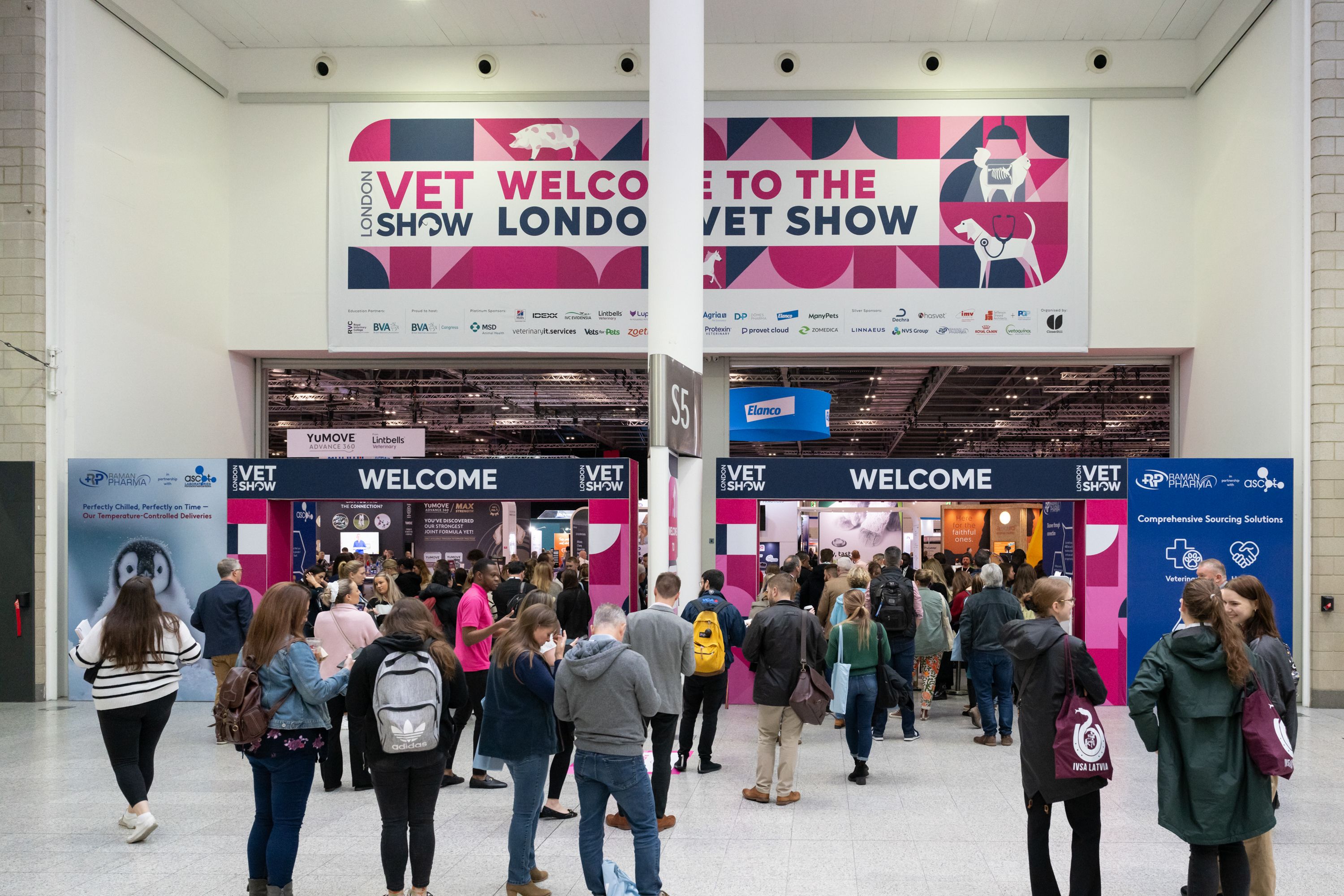
We caught up with David ahead of his session at the London Vet Show to hear more about his inspiring career journey, the pivotal moments that shaped his path, and what attendees can expect from his latest insights.
Q: Can you tell me a bit about yourself and what led you to pursue a career in veterinary medicine?
A: I qualified as a veterinarian from the University of Bristol in 2019, after first completing a science degree at the University of Birmingham and spending a year managing cocktail bars. My time in hospitality developed strong communication skills that have proven invaluable in veterinary practice, where working with people (be they colleagues or clients) is just as important as treating animals.
Veterinary medicine wasn’t always my ambition, but I was drawn to the variety of the profession. I started in mixed practice and later found a strong preference for farm animal work, particularly enjoying the client relationships and business advisory aspect.
I began my career in East Anglia and, in 2020, joined a large farm-only practice in Derbyshire as part of IVC Evidensia. Here, I developed new initiatives, including founding Midlands Advanced Breeding Services, and led plans for a new branch, securing investment approval.
I’ve completed the CertAVP and achieved Advanced Practitioner status in sheep health and production. Now, I split my time between industry work (for NoBACZ Healthcare Ltd) and veterinary consultancy, offering direct-to-farm services, CPD training, and business support to veterinary practices.
Q: Can you tell me more about your session at the London Vet Show 2025 and the topics you're going to cover?
A: The session on ovine and obstetrics is relevant to anyone involved in farm work, covering common issues like lambings, prolapses, and caesarean sections. While at Scarsdale,during the 2021-22 lambing season, I initiated a project auditing how vets approached assisted deliveries (lambings) and C-sections. Initially a practice-level review, it expanded across 21 IVC Evidensia practices with support from the farm leadership team.
Analysing the data led to a broader review of the limited literature on current ovine obstetrics practices. Our findings provided valuable insights into how clinical approaches have evolved, particularly since 2015. This session will create an open forum to discuss recent research, evolving techniques, and best practices, especially in analgesia and antibiotic use. A key focus is on improving outcomes not just through clinical work, but through the advice we give clients, who often manage far more ovine obstetrical complications than vets do directly.
We’ll also explore training practices, client education, and the importance of auditing and quality improvement, particularly crucial in farm vet work, where practitioners often operate independently and have fewer opportunities for peer comparison.
Q: What inspired you to become a veterinary consultant?
A: Following a serious accident that affected my ability to carry out physically demanding farm vet work, I reassessed my career and shifted focus. At the time, I was already delivering CPD for organisations including the BVA, and consulting for emerging animal health companies like Dyneval, as well as doing project work for companies like IMV.
This transition opened further opportunities. I was invited by vet schools, practices, and groups to deliver CPD and help expand their sheep services, an often-overlooked area in farm practice. During my own time in practice, I had grown the engagement and turnover of sheep clients through revamping the Flock Health Club and setting up the Advanced Breeding Service.
Achieving Advanced Practitioner status further strengthened my profile. I now divide my self-employed time between CPD delivery, speaking at events like the London Vet Show, consultancy, and direct flock advisory work alongside farm vets. For the rest of my week I work for NoBACZ Healthcare Ltd with a focus on launching their products internationally. This portfolio career keeps me closely involved with the profession while supporting innovation, education, and sustainable practice growth.
Q: What do you think is the most rewarding part of working in this industry?
A: That’s a difficult question, but I would say I’m a strong advocate for the veterinary profession, and there are many aspects I find incredibly rewarding. On the farm side, I particularly value the relationships built with clients. There’s something very fulfilling about working collaboratively over time, supporting improvements not just in animal health, but in broader areas of farm management and business development. Seeing the positive impact of that long-term engagement is deeply satisfying.
Equally, the CPD and training work I do is immensely rewarding. Helping to equip other professionals with knowledge and skills that they can take back into practice means the impact extends far beyond individual interactions, it influences the care of many more animals.
Q: What are some of the most common challenges that you help your clients solve?
A: It depends on the client. With CPD delegates, my focus is on building their confidence and capability in sheep work, often underrepresented in dairy-focused farm animal practices. This includes clinical discussions, using vet techs more effectively, and applying reproductive protocols to improve outcomes.
At the farm level, I help clients boost productivity while upholding animal health and welfare, with a particular focus on reducing antibiotic use through practical, evidence-based strategies.
For animal health businesses, I advise on positioning products effectively within the vet market, ensuring they’re clinically relevant, farm-ready, and support strong vet-client relationships.
Q: What's one piece of advice that you'd give to aspiring vets who want to pursue a career in veterinary?
A: I was recently speaking with aspiring vets, and one message I always emphasise is the importance of keeping an open mind. One of the great strengths of a veterinary degree is its versatility, it qualifies you to work across a wide range of species and sectors, and I would strongly encourage students not to close themselves off.
I began my career in mixed practice before focussing on production animals, and I’ve genuinely enjoyed every stage of that journey. It’s also important to remember that your first role doesn’t define your entire career. The profession offers a variety of paths, and it’s perfectly normal and often beneficial to explore different areas as your interests evolve. Another key piece of advice I give is to invest in your interpersonal and communication skills. No matter how clinically skilled you are, you can only make a difference if you can work effectively with the people behind the animals. Building trust and working collaboratively with owners is central to the role.
)
)
)
)
)
)
)
)
)
)
)
)
)
)
)
)
)
)