

30 Sept 2026
Why families leave a practice after a pet dies, and what prevents it
)
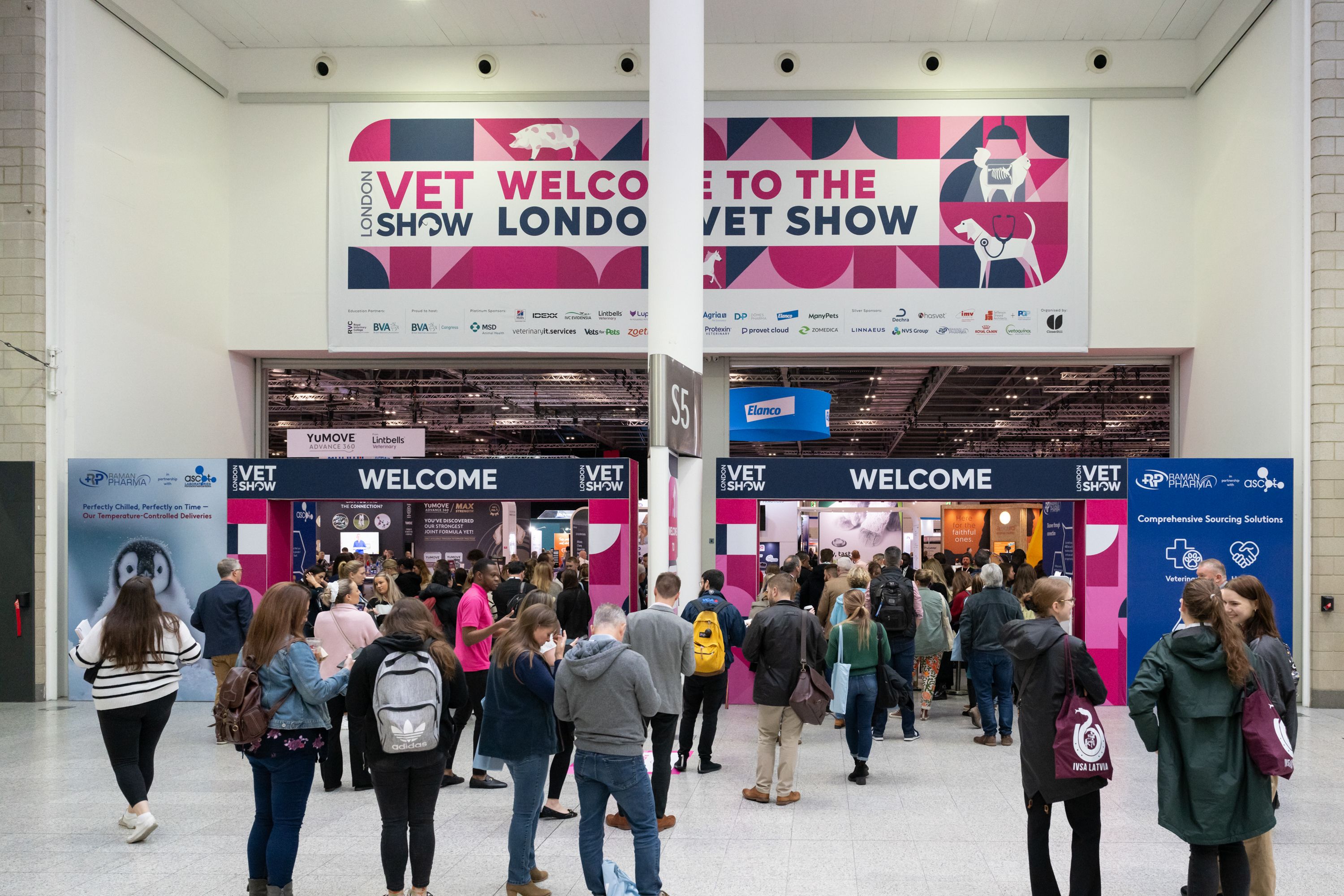
Vets at Home, formerly The Pet Euthanasia People, will exhibit at London Vet Show 2026 at ExCeL London on 19 and 20 November.
The team is bringing findings from The Final Goodbye, a study of 2,452 UK pet owners carried out with Pet Database, including one result that has not been published before. It concerns what happens in the weeks after a euthanasia, and whether the family walks back through the practice door.
The building holds the memory
Owners in the study were asked whether they found it difficult to return to the same practice after their pet died. Among those who said they did, 29% went on to change practice. Among those who did not, 3% did.
Where the goodbye took place at the practice, 41% found it difficult to go back. Where it took place at home, 31% did.
These are associations rather than proof of cause. They do suggest that for some families the final appointment becomes the memory attached to the building.
Follow-up is the part practices can change today
Seven in ten owners who had experienced pet loss (70%) said they received no follow-up support from their practice after their pet's euthanasia. Among that group, 22% subsequently chose a different practice, compared with 6% of those who did receive support.
Jennie Johnson MBE, co-founder and CEO of Vets at Home, said: "Euthanasia is not simply a single appointment. It is one part of a wider end-of-life journey for the pet, the owner and the practice team. The trust placed in veterinary professionals during that journey is enormous, and what happens before, during and afterwards can shape how an owner remembers the experience and their relationship with the practice."
"Follow-up does not have to be complicated. A condolence message, a thoughtful check-in, practical information or signposting to appropriate support can make a meaningful difference. It shows that the relationship with an owner does not end when their pet's life does."
Choice, without every practice having to resource it
Four in ten owners (41%) did not know at-home euthanasia was possible before their own experience. Fewer than a quarter of goodbyes (22%) took place at home, while seven in ten owners (72%) said they would prefer home if faced with the decision again. Of those who did say goodbye at home, 98% would choose it again.
Jennie continued: "This is not about suggesting practices are failing their clients. Veterinary teams already work incredibly hard through some of the most emotionally and clinically demanding consultations they face. It is about identifying support that owners value and recognising that a practice does not have to resource every element itself."
"Working with a specialist at-home provider allows a practice to offer genuine choice while retaining the relationship and continuity around the client. The practice can remain informed, the owner receives a supported route to an at-home goodbye, and grief and aftercare resources can continue beyond the appointment."
What practice teams can pick up at the stand
Free resources to share with clients, with nothing to sign: The Last Kindness, an end-of-life eBook written for families; a quality of life assessment tool; and The Good Life Plan, a free planning resource families can complete before a crisis.
A note on the name
Vets at Home was The Pet Euthanasia People until this year. Anyone who met the team at London Vet Show 2025 met PEP. Same people, same service, new name.
Notes
The Final Goodbye: A Study of Pet Owners' Experiences was conducted by Vets at Home with Pet Database in 2026. A total of 2,452 UK pet owners responded, of whom 2,410 had experienced the loss of a pet and 2,267 the euthanasia of a pet. Percentages carry different bases because of survey routing. The practice-return finding is based on 1,249 respondents who answered both relevant questions. All findings show association and should not be presented as proof of causation.
Vets at Home works alongside veterinary practices across the UK, giving their clients access to a calm at-home option without the practice providing the visit itself. After an appointment, Vets at Home updates the referring practice so its records and client communication stay joined up.
More for practices at vetsathome.com/vetpractices. Enquiries: hello@vetsathome.com


)
)
)
)
)
)
)
)
)
)
)
)
)
)
)
)
)
)
)
)
)